
Phenomenology of Being-With · Volume Three
The Locus
Published
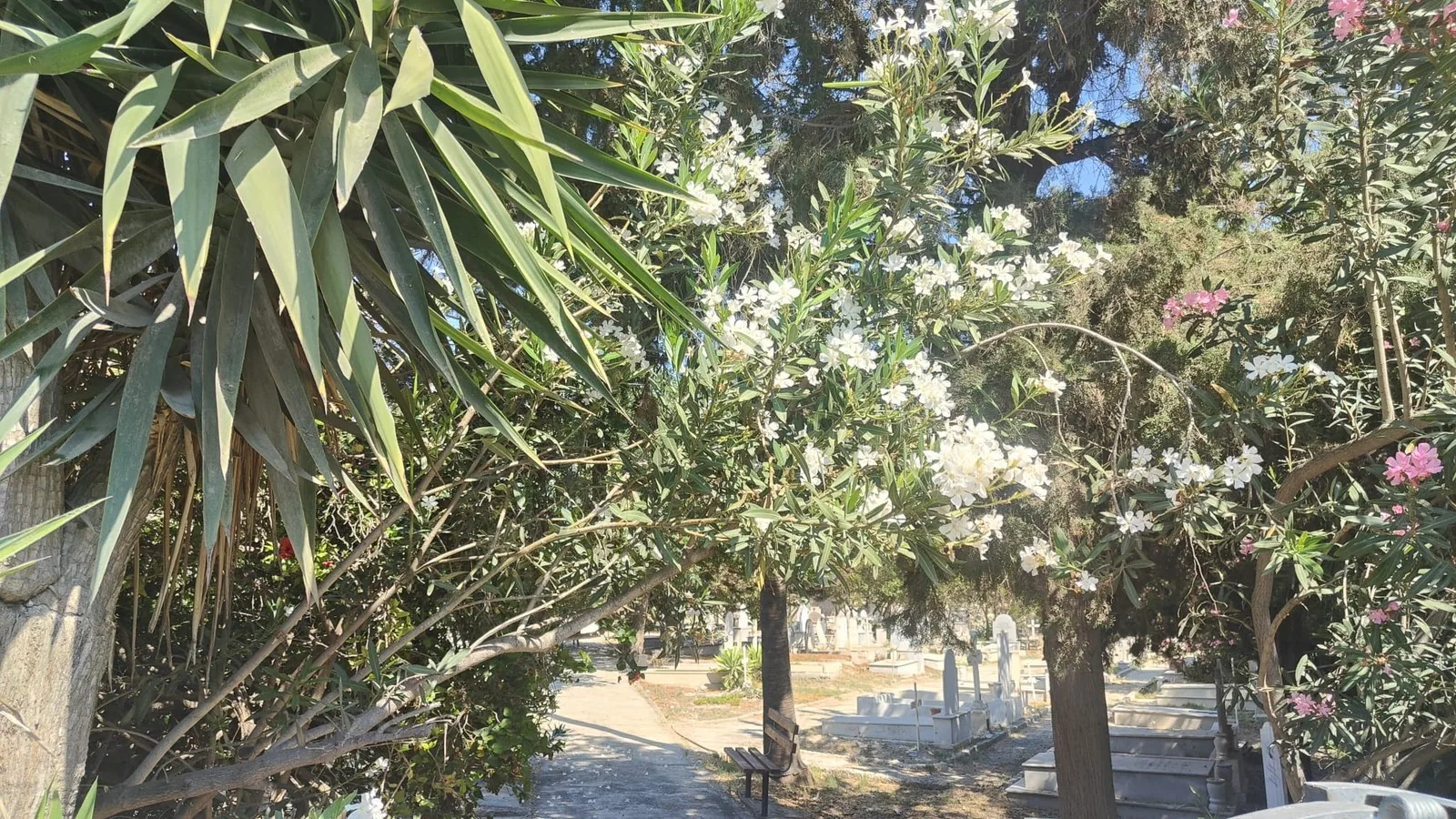
It opens after a death
The man who conducted the earlier walks has died. He does not return in these pages as a voice, a vision, or a device, and the book says so at the door and keeps to it. His friend of forty years walks in his place — older, a different instrument, and honest about being one — with a young man of the town who appeared in the earlier book only as the boy.
They begin at a block of uncut marble in a mason's yard, waiting for words.
Its question
Granted a floor of address and answerability, and granted that nothing beneath it holds it up: what is a someone?
What can be addressed and not replaced. What answers and cannot hand the answering on. And it asks this without a soul-substance underneath, a ground behind, or a maker above to countersign.
The question is carried in the form the walks meet it, which is the form anyone meets it in: when an answer is demanded of you, and nothing behind you can give it, and no one beside you can take it over — who answers?
Where it goes
One winter, seventeen walks. Gifts, and what is wrong with calling them transactions. Offices, and what they can and cannot bear. Institutions that act, and whether anything in them answers. Borrowed voices. Joint action, and how many hands a deed can have. What is owed the dead, and by whom.
And a machine that speaks fluently in the town's own words from any counter it is set on — treated at length, without a verdict it has not earned.
A closing section restates the findings in academic register, with the literature engaged by name, for readers who want the argument stripped of the walking. An appendix registers the book's vocabulary and pays its debts.
Volume Three of Phenomenology of Being-with, completing the sequence begun in Koinonia and continued in No Ground. Each volume stands on its own.
Contents
Part One. The Door — Introduction: The Question That Lands
Part Two. The Winter — six movements, seventeen walks and four gatherings: The Common That Is Not a Thing · What Arrives, and What Is Signed · The One Who Is Reached · The Middle Country and the Many Hands · The Glass · The Grave
Part Three. The Return — The Scholarly Return
Part Four. The Garden — Coda. At the Memorial
Back Matter — The People of the Winter · Appendix. Debts and Registry
Read the book
The complete text is free to read.
Terms
All rights reserved. Permission is granted to read, to quote with attribution, and to cite the work; it is not licensed for use in training or developing AI systems. Registered with the United States Copyright Office (2026), case no. 1-15225033791. See terms in full.
Citation
Montaruli, Alessio. The Locus: The Address, the Deed, and the One Who Answers. Phenomenology of Being-With, Volume Three. Institute for Ethical Ontology, 2026. DOI: 10.5281/zenodo.21628283.